ON THE CURRENT CRISIS 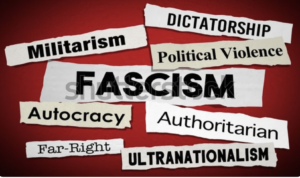
There is no longer any serious question about the character of the current administration or the governing direction of the Republican Party.
What we are witnessing is not a routine political shift, but a coordinated effort—enabled by authoritarian forces and reinforced by a judiciary increasingly willing to roll back fundamental rights—to restructure American society along anti-democratic lines. The trajectory is unmistakable: toward a social order defined by exclusion, concentrated power, and the systematic weakening of democratic participation, to destroy the work millions of our brothers and sisters over at least two centuries in building an inclusive, ethical, and just (both politically and economically) society.
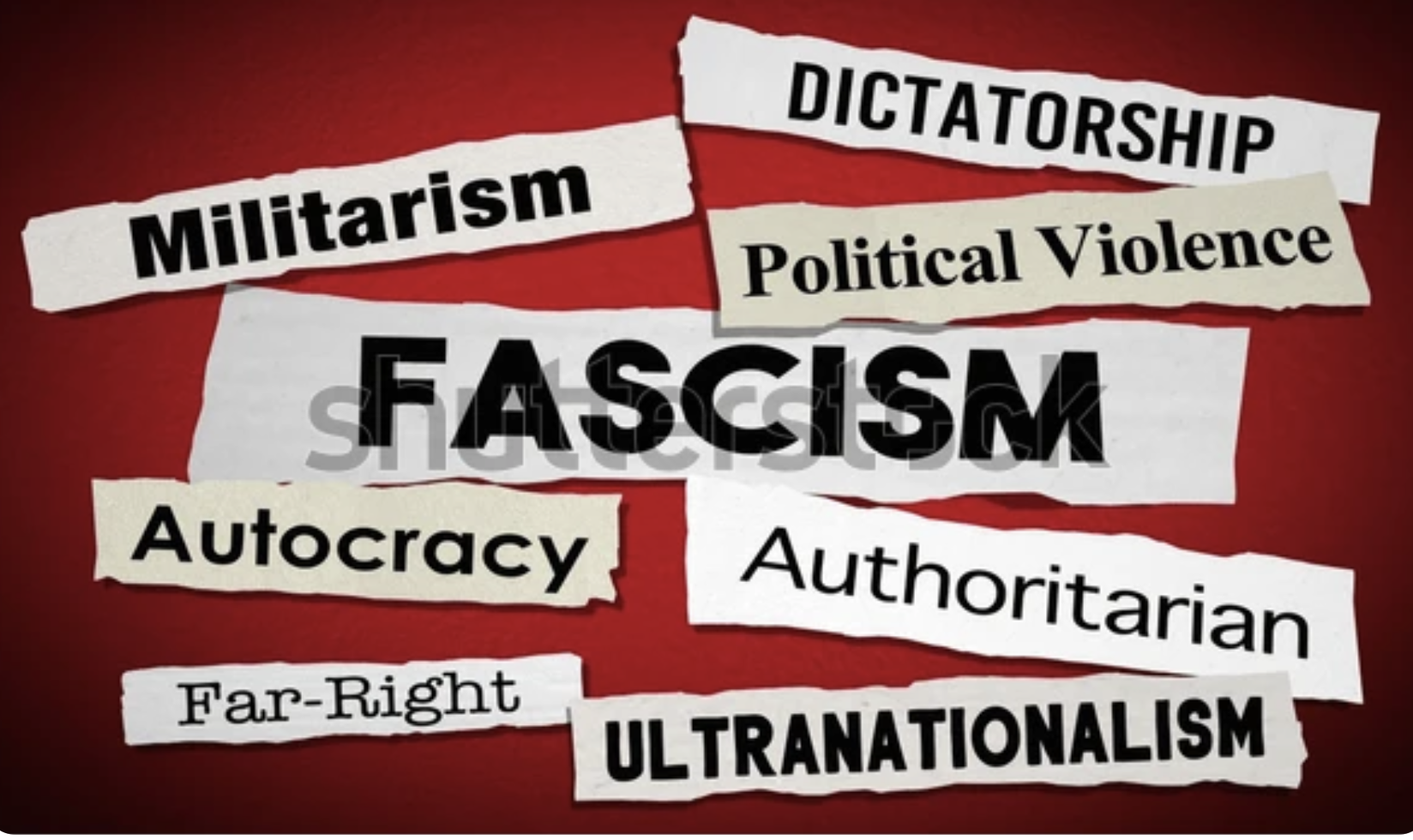
This is not simply authoritarianism in the abstract or the rhetorical. It bears the clear and expanding features of fascism, that is, an organized project to hollow out democratic institutions, concentrate power, and neutralize opposition before it can effectively respond.
The fragile gains won over the last centuries—through the struggles of workers, civil rights movements, and democratic forces—are now being actively eroded, and in many cases, simply and illegally cast aside. What was once contested terrain is rapidly becoming consolidated ground for anti-democratic rule.
In a remarkably short period of time, conditions associated with authoritarian and fascistic governance have moved from the margins toward normalization. Whether this process is complete is less important than the fact that it is well underway.
Across public life, concern is growing. Yet our political and media environment—shaped by the massive concentrated wealth and fragmentation—continues to downplay what is underway, and consequently, inhibit the emergence of our unified and effective response.
Taken together, these developments place us in one of the most dangerous periods for democracy in U.S. history.
The implications are clear:
We are not confronting a temporary imbalance, but a structural threat. It cannot be met with routine politics, isolated action, or symbolic resistance.
What is required is a response equal to the danger—one grounded in seriousness, unity, and coordinated strategy capable of confronting both authoritarianism and the rising threat of fascism directly.
Reconsidering the NGO Model (and ending our sabbatical)
Established in 1998, the SCRC emerged within a specific legal and political framework that both enabled and constrained nonprofit work in the United States. From the beginning, organizations operating under 501(c)(3) status have had to navigate a system that presents itself as neutral, but in practice has often been structured in ways that favor pro-capital and right-of-center interests. While certain restrictions—particularly around political engagement—have at times been unevenly enforced, organizations committed to equity, inclusion, and democratic transformation increasingly find themselves under scrutiny and pressure.
In the current moment—marked by the rise of authoritarianism and the growing threat of fascism—this pressure has intensified. Organizations like ours carry targets on our backs precisely because we remain committed to democratic participation, community power, and structural justice.
Our Origins and Commitments
The SCRC was founded to open doors and elevate the voices of communities confronting environmental and public health crises. Long before terms like “environmental justice” and “social determinants of health” gained broader institutional recognition, we understood that communities were not passive recipients of expertise, but producers of knowledge and agents of change.
The issues our partners faced—pollution, toxic exposure, unsafe housing, unequal access to care, and systemic neglect—could never be addressed through technical solutions alone. They required approaches that linked environment, health, democracy, and power.
Our work has been grounded in a rich intellectual tradition. From Paulo Freire, we drew the conviction that those most affected by injustice must be central to understanding and transforming their conditions. From Jürgen Habermas, we drew the importance of democratic dialogue and the public sphere as foundations of legitimate social change. From John Dewey, we inherited the understanding of democracy as a lived practice—rooted in participation, collective problem-solving, and the continuous reconstruction of society.
Together, these traditions shaped our core belief: that community knowledge, democratic participation, and social transformation are inseparable.
A Changed Political Reality
For much of our history, our work operated within a context where public institutions retained at least some degree of legitimacy and responsiveness. There was a meaningful—if limited—possibility that organized communities, armed with evidence and collective action, could influence decisions, shape policy, and secure material improvements.
That context has fundamentally changed.
We are now living through a period defined by shrinking democracy, intensifying inequality, and the normalization of authoritarian—and increasingly fascistic—forms of power. Institutions that once mediated conflict and responded, however imperfectly, to public pressure are being hollowed out, captured, or bypassed altogether.
There is no shortage of analysis describing this decline. But analysis alone is insufficient. The central question before us is strategic:
What is to be done under these conditions?
For organizations like SCRC, this question requires more than reflection. It requires a sober reassessment of whether the inherited 501(c)(3) model remains adequate. Our view today is that it does not, and as supporters of democracy, the SCRC must engage in political work.
If the conditions that once made nonprofit civic engagement viable have been fundamentally altered, then it follows that our organizational forms, strategies, and political commitments must also evolve.
To question the adequacy of the 501(c)(3) framework is not to abandon accountability, public responsibility, or ethical commitment. It is to recognize that structures designed for an earlier political era may no longer be sufficient for defending democracy, confronting authoritarianism, or resisting the advance of fascism.
Continuity and Commitment
At the same time, our core work continues.
We remain committed to participatory research, community-led planning, and collective action. We will continue to stand alongside communities facing the compounded effects of austerity, environmental harm, and political marginalization. We will continue to support those targeted because of their race, gender, identity, or political beliefs, and whose efforts to improve their conditions are met with exclusion and repression.
Our commitment to these communities does not depend on the legal structure we operate within. It is rooted in enduring democratic, ethical, and political principles that remain unchanged.
From Analysis to Action
If the current moment demands that we rethink our structures, it also demands that we clarify our strategy.
The question is no longer whether democratic decline is occurring, but whether those committed to democracy can act with sufficient unity, scale, and urgency to confront it.
What follows is a set of five immediate tasks, spelled out on the top right side of this page, to be seen as practical steps toward building the level of coordination, organization, and power that this moment requires.
We welcome your thoughts. To respond to something you’ve read or add to the discussion, contact us at defend4demo@cbpr.org
For further analysis please visit: the Democratic Strategy Forum on the top menu of this page or go to it directly here.
______________________________________________________________
Our motto is Building Democracy Through Research because we believe that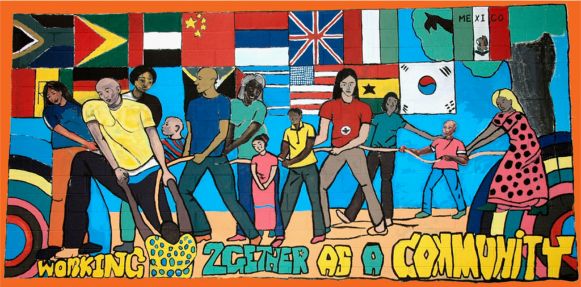 community voices should be central in determining what problems are addressed by and technology and in deciding how benefits of these social practices are used in society.In other words, we believe in Science and Technology for the People! (see history of this movement)
The great strides forward in our understanding and control of the world around us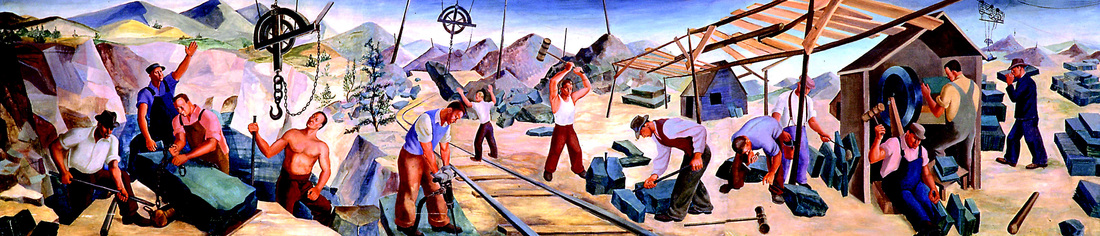 make life easier, safer, and more acquiescent to our dreams for a better future. The rich and powerful have hijacked most of the potential of our common efforts. This “1%” has taken most of the rewards of the advances in productivity and knowledge and left us with lower wages, more poverty, polluted communities, and increased stress and violence in our lives.
The SCRC collaborates with communities and organizations to take back control of science and technology and to use these tools to improve health, the environment, education, and to advance the interests of communities and working people.
WE PARTNER WITH COMMUNITIES BY:
- Developing grants and securing project dollars for community initiated projects
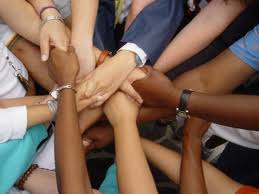
- Facilitating research partnerships that find solutions to community-defined problems,
- Creating evidence-based programs that directly respond to community concerns,
- Providing skills development in participatory methods, popular education community-led policy making, and popular epidemiology, among others,
- Conducting accessible and timely research for community use,
- Providing strategies, tools, and coaching for community policy change campaigns.
Projects always begin with community collaborations.
WE WELCOME YOUR QUESTIONS AND PROPOSALS.